
Why Some Franchise Models Failed in India: A Deep Dive
Franchising is often seen as a fast and reliable way to grow a business. For international and domestic brands alike, the franchise model allows for rapid expansion with reduced capital investment, while offering entrepreneurs the opportunity to run a business under a recognized brand. However, the Indian market is not as straightforward as it seems. India is vast, culturally diverse, highly price-sensitive, and rapidly evolving. These factors make it challenging for franchise models to thrive without strong market understanding and adaptability. Despite their global success, several major franchise brands have either pulled out of India or drastically scaled back their operations. In this blog, we’ll take a closer look at why this happens by examining common reasons for failure and exploring real-world examples.
1. Poor Market Understanding
One of the biggest reasons why franchise models fail in India is a lack of understanding of the Indian market. International brands often assume that the strategies and products that work well in Western countries will automatically appeal to Indian consumers. However, India is a complex market with diverse regional preferences, traditions, and cultural expectations. For example, many global food brands do not take into account the popularity of vegetarianism, or the fact that Indian consumers often favor spicier, more flavorful options. Without proper market research and localization, even globally loved brands can struggle to find acceptance. Franchisors must remember that “one size fits all” rarely works in India — deep customization and adaptability are critical.
- India has multiple languages, cuisines, and spending capacities, even within a single city.
- Global products must be culturally relevant and emotionally resonant.
- A lack of consumer insight leads to poor demand and low brand traction.
2. Wrong Pricing Strategy
India is an extremely price-sensitive market. While affluent urban populations are growing, the majority of Indian consumers are still very cautious about spending, especially on food, services, and retail. Several franchises fail because they adopt a premium pricing model that may work abroad but does not resonate with the average Indian customer. For instance, Wendy’s entered India with pricing similar to high-end restaurants, expecting consumers to pay ₹200–₹300 for a single burger. However, they were competing with brands like McDonald’s and KFC, which offered value meals and combo offers at much lower prices. As a result, Wendy’s failed to attract repeat customers, ultimately leading to the closure of their physical stores. In India, pricing must match perceived value — and that value is often judged by portion size, taste, and affordability.
- Indian consumers are deal-driven and attracted to combo offers or discounts.
- Value perception is king — expensive doesn’t always mean better in this market.
- Even premium consumers often compare pricing with domestic alternatives.
3. Location and Real Estate Mismanagement
Another crucial factor contributing to the failure of franchise models in India is poor location strategy. Many brands invest in expensive real estate, such as high-end malls or commercial spaces, believing it will attract premium customers. However, these locations come with extremely high rents and overheads. If customer turnout does not meet expectations, the business quickly becomes unviable. This happened with several brands including Burger King during its initial expansion. They opened outlets in expensive mall spaces, but the footfall did not always translate into sufficient sales. Additionally, poorly chosen locations in areas with the wrong target demographic can make it difficult for a franchise to break even. Selecting the right location requires careful analysis of customer behavior, competition, and affordability — not just prestige.
- Mall footfall ≠ sales — especially when the product doesn’t suit the demographic.
- Many Indian customers prefer street-level access and easy parking.
- High rent coupled with low ticket sizes means longer breakeven periods.
4. Lack of Localization in Menu or Services
India’s diversity makes localization not just a preference but a necessity. Franchises that fail to adapt their product or service offerings to local tastes often face rejection. Menu items that are popular abroad may not appeal to Indian palates. For example, Dunkin’ Donuts initially launched in India with a heavy focus on donuts and sugary items, but Indian consumers typically prefer savory snacks and meals, especially when eating out. The brand did try to pivot by introducing burgers and sandwiches later, but by then, it had already lost traction. Similarly, early Subway stores in India failed to attract customers until they introduced local favorites like Paneer Tikka and Aloo Patty subs. Localization goes beyond food — service formats, store designs, and even marketing language must be tailored to resonate with Indian customers.
- Vegetarian options are crucial in many parts of India.
- Use of Indian spices or ingredients like paneer, aloo, masala helps localization.
- Even in retail or beauty services, cultural context matters (e.g., traditional wedding makeup vs. western styles).
5. Overexpansion Without Foundation
Some franchises fail because they expand too fast without building a strong operational foundation. Rapid expansion without understanding the nuances of regional markets can lead to unsustainable growth. This was the case with Quiznos, a US-based sandwich chain that opened over 40 outlets in India in less than two years. The brand lacked a strong customer base, had little awareness, and didn’t differentiate itself from existing competitors like Subway. The aggressive rollout resulted in poor operational consistency, franchisee dissatisfaction, and ultimately, massive closures. Brands must first stabilize and perfect their business model in key urban markets before venturing into wider geographic expansion. A gradual, controlled rollout is far more sustainable than a rushed expansion plan.
- Overexpansion leads to supply chain issues and brand inconsistency.
- Poor-performing outlets impact overall brand perception.
- Brands need to perfect the model in one region before expanding nationally.
6. Franchisee Misalignment
A common internal reason behind franchise failure is a mismatch between the franchisor and the franchisee. Franchisees often enter partnerships expecting strong support, brand leverage, and operational guidance. However, if the franchisor fails to deliver on these expectations — whether in terms of marketing, training, supply chain, or technology — the franchisee’s business suffers. This leads to poor service, lower sales, and eventually, store closures. In India, where local business dynamics vary significantly from state to state, franchisees need tailored support. If they feel neglected or misled, it results in distrust and reputational damage. Successful franchising requires ongoing collaboration, transparent communication, and proper training at every level of the organization.
- Franchisees need clear ROI expectations and realistic goals.
- Poorly selected franchise partners can damage the brand reputation.
- Lack of operational autonomy frustrates Indian business owners.
7. Poor Training and Quality Control
One of the overlooked aspects of franchise management is the importance of consistent quality and service. Indian customers are quick to judge brands based on their first impression. If one outlet delivers poor service or subpar product quality, it affects the brand’s reputation everywhere. Many failed franchises in India suffered because franchisees were not adequately trained in brand standards or customer service protocols. A lack of supervision and quality audits can result in wide variations across outlets, eroding customer trust. Strong franchise models include rigorous training programs, detailed SOPs (standard operating procedures), and regular evaluations to ensure consistency and customer satisfaction.
- Standard Operating Procedures (SOPs) must be well documented and enforced.
- Regular audits and mystery shoppers can ensure consistency.
Training manuals and localized support can improve staff performance.
Case Studies of Franchise Failures in India
Let’s now take a detailed look at some real-life examples of franchise models that failed in India.
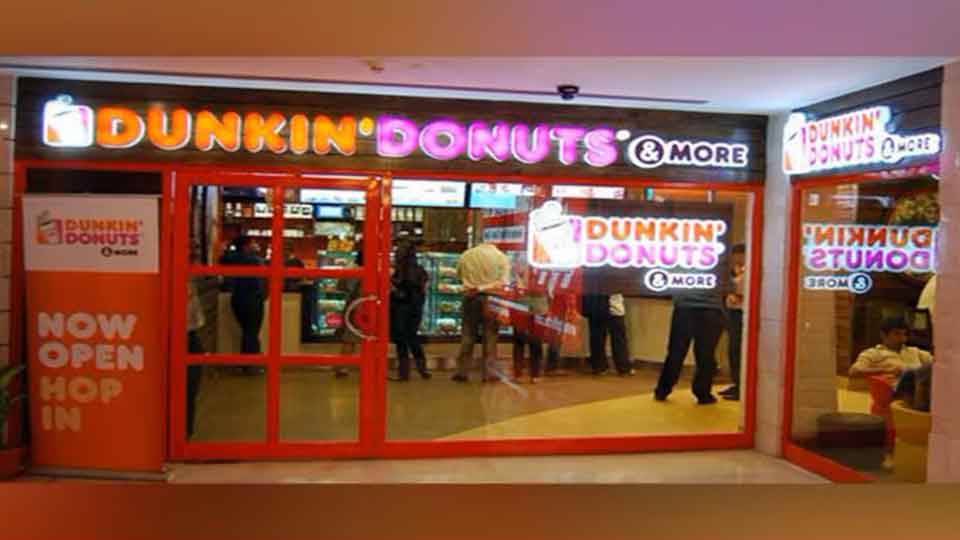
Dunkin’ Donuts
Launched in 2012 through a partnership with Jubilant FoodWorks, Dunkin’ Donuts had ambitious plans for India. It aimed to position itself as a café-style hangout with a menu centered around donuts, coffee, and sweet treats. However, the Indian market did not respond well. Indian consumers preferred savory snacks when dining out, and donuts were perceived as overpriced and unnecessary. Despite introducing burgers and sandwiches later, the brand failed to find its footing and shut down most outlets by 2018. The brand failed to localize its core offering in time and couldn’t compete with established players like Café Coffee Day and McDonald’s.
Launched: 2012 by Jubilant FoodWorks
Closed: Majority outlets shut by 2018
Reason: High pricing, sweet-focused menu, limited local relevance
Key Takeaways:
- Donuts didn’t suit Indian snacking culture.
- Didn’t adapt fast enough with savory or spicy offerings.
- Tried to copy the US model rather than creating an India-specific experience.
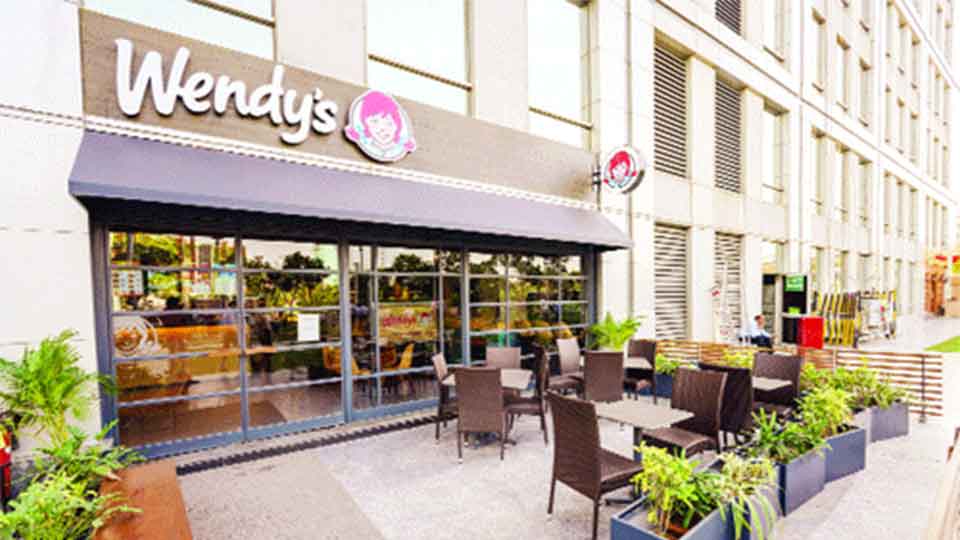
Wendy’s
Wendy’s entered the Indian market in 2015, offering premium burgers with global branding. However, the brand priced itself too high for Indian consumers, with few vegetarian options initially. This created a gap in the value-to-cost ratio, especially when compared to McDonald’s, which had strong pricing, local flavors, and combo meals. Wendy’s also struggled to build brand awareness, which made it hard to justify their higher prices. Within a few years, Wendy’s closed all its physical stores in India and pivoted to a delivery-only model. This case highlighted how ignoring India’s pricing sensitivities and eating habits can be fatal.
Launched: 2015 in India
Exited Physical Stores: 2019
Reason: Premium pricing, weak differentiation, limited vegetarian options
Key Takeaways:
- Couldn’t compete with McDonald’s or Burger King in value and visibility.
- Failed to establish unique brand identity.
- Transitioned to cloud kitchen model post-exit.
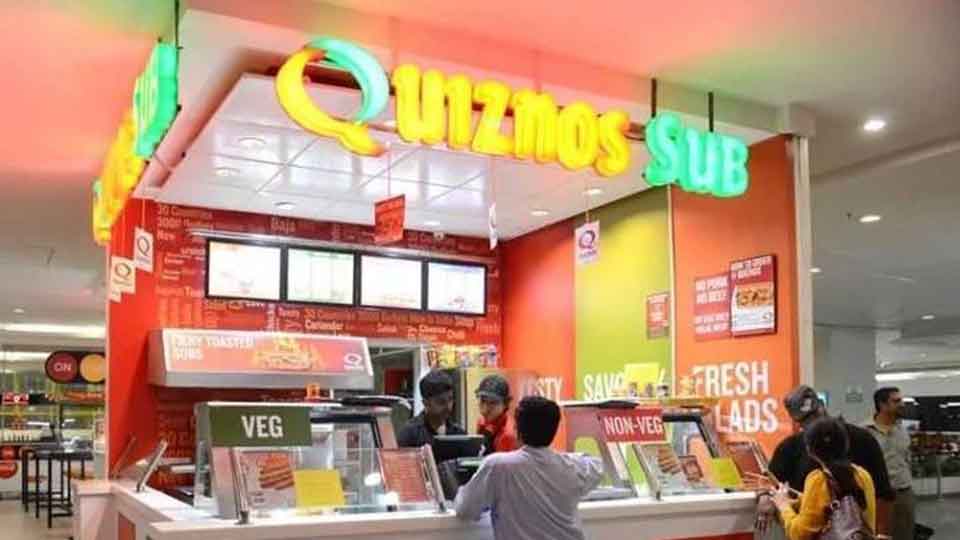
Quiznos
Quiznos attempted to enter India aggressively around 2011–12, with plans to replicate its American sandwich model. It opened over 40 stores within a short span. However, the brand failed to differentiate itself in a market already being captured by Subway. Moreover, the pricing was high, and the product unfamiliar. Quiznos did not invest adequately in brand education or marketing, and their franchisee support was weak. As a result, franchisees experienced poor sales, leading to widespread closures within just 2–3 years of launch.
Launched: 2011
Closed: Within 2–3 years
Reason: Overexpansion, unfamiliar menu, poor awareness
Key Takeaways:
- Didn’t invest in educating the market about its product.
- Franchising strategy prioritized quantity over quality.
- Lost out to Subway which had better pricing and brand recognition.

Coffee Bean & Tea Leaf
This premium American café brand entered India in 2008 with expectations of riding the coffee wave. However, it couldn’t compete with Café Coffee Day and Starbucks. Its pricing was too steep for its target segment, and the brand didn’t offer any unique experience or lifestyle appeal. In addition, high real estate costs and poor footfall in chosen locations further worsened the situation. The brand quietly shut down most of its outlets by 2016. It’s a classic case of entering a saturated market without a strong differentiator.
Launched: 2008
Exit: Around 2016
Reason: Premium prices, weak brand recall, uncompetitive with Starbucks/CCD
Key Takeaways:
- Didn’t offer a compelling reason to choose them over competitors.
- High-end locations failed to attract repeat visitors.
- Coffee culture in India was not mature enough for premium-only positioning.
Failures in Domestic Franchises
Franchise failures are not limited to international brands. Even Indian brands have struggled to sustain franchise models.
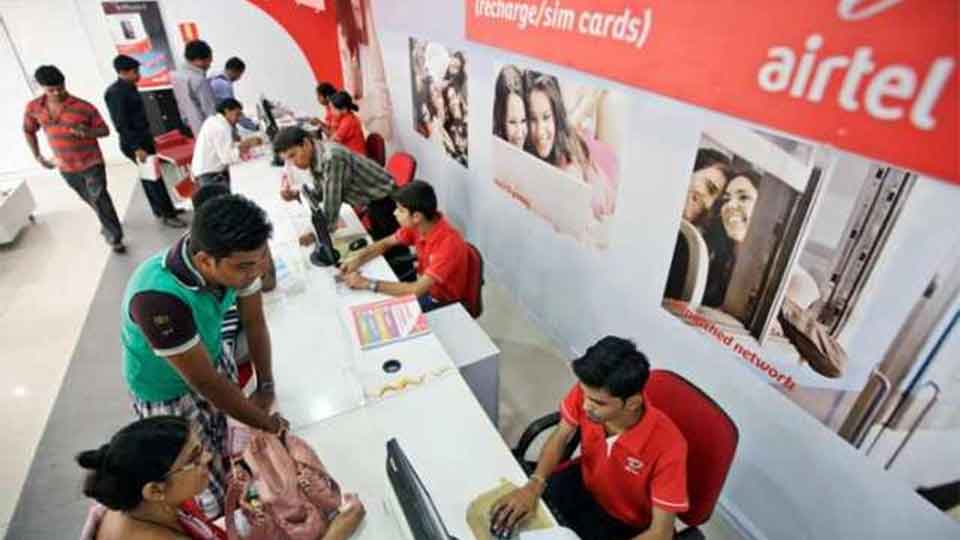
Telecom Retail Outlets (e.g., Airtel/Vodafone stores)
During the telecom boom, many local entrepreneurs opened branded telecom stores under Airtel or Vodafone franchises. However, poor margins, declining walk-ins, and a shift towards online self-service apps made these outlets less relevant. Additionally, these stores became complaint centers rather than sales touchpoints, leading to operational headaches and franchisee dissatisfaction.
Issue: Decline in foot traffic, high rents, digital shift
Challenge: Franchisees became complaint centers without any revenue upside
Key Points:
- Shift to mobile apps made physical stores less relevant.
- Poor incentive models for franchisees led to demotivation.
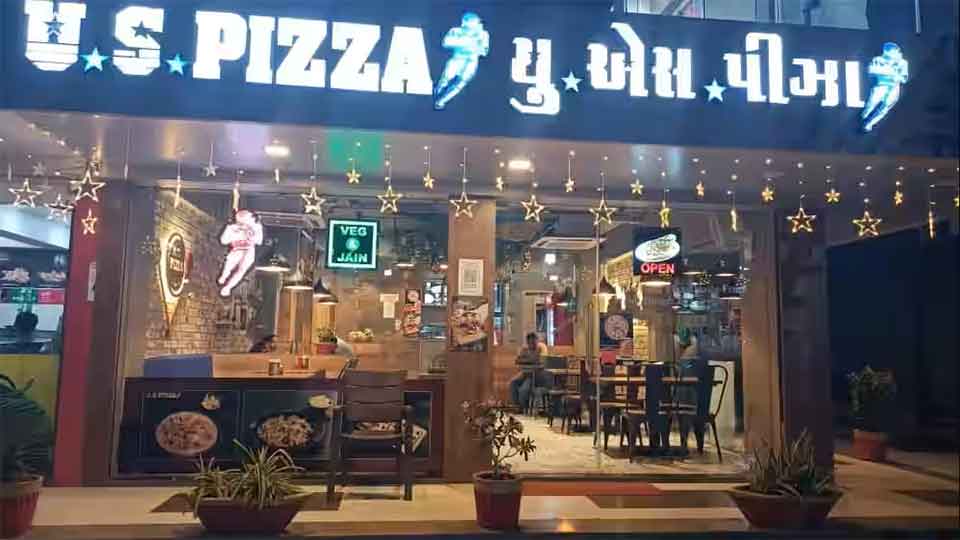
Local Pizza Chains (e.g., US Pizza, Pizza Corner)
Before Domino’s and Pizza Hut took over the Indian market, several local chains tried to establish franchise networks. These brands lacked strong delivery infrastructure, consistent product quality, or marketing muscle. As Domino’s invested in 30-minute delivery and app-based convenience, local chains struggled to survive. Eventually, most were absorbed, shut down, or reduced to a few regional outlets.
Issue: Couldn’t match Domino’s in delivery, pricing, or scale
Outcome: Shut down or reduced to limited local outlets
Key Points:
- Inconsistent product quality and service.
- Weak digital presence and slow delivery.
- Lacked customer loyalty programs and marketing budgets.
Conclusion: Lessons Learned
Franchising in India is not a plug-and-play model. It demands deep cultural insight, pricing intelligence, localized innovation, and strong franchisee support. Brands that overlook these factors often struggle or fail. India is full of potential, but it also tests brands on agility, adaptability, and customer understanding.
To succeed in India:
- Localize your offerings without losing your brand’s core essence.
- Invest in training, real estate strategy, and support systems.
- Understand regional preferences and adapt accordingly.
- Expand cautiously, not aggressively.
Final Lessons:
- Adapt or fail — Indianization is non-negotiable.
- Focus on unit economics over vanity expansion.
- Treat franchisees like partners, not just investors.
- Deliver consistent experience backed by strong training.
The failures of Dunkin’ Donuts, Wendy’s, Quiznos, and others are not just business case studies — they are lessons in humility, strategy, and the importance of local insight in global expansion.
Let's Discuss About How We Can Help Make Your Business Better